
London, LOGIC.co.id – Have you ever wondered why Islamic civilization, which once led the world with inventions like Al-Khwārizmī’s algorithms and advanced observatories, is now often considered to be lagging in technology? LOGIC.co.id explores findings from recent academic research to reveal the root causes of this decline and proposes solutions to revive the technological legacy of the Islamic world. Let’s explore together.
The Glory of Islamic Technology: A Look Back at the Golden Age
From the 8th to the 13th century, Islamic civilization stood as a beacon of knowledge. The House of Wisdom (Bayt al-Hikmah) in Baghdad became a hub of innovation, producing advances in astronomy, medicine, and engineering. According to Islamic Technology: An Illustrated History by Ahmad Y. al-Hassan and Donald R. Hill, seven key factors fueled this golden age: Islamic teachings that encouraged the pursuit of knowledge, government support, Arabic as a unifying language, inclusive education, respect for scholars, intensive research, and global trade networks. But what caused this dominance to fade?

Factors Behind the Technological Lag in the Islamic World
Modern research, such as studies published in Jurnal Pendidikan Islam Al-Affan (2022) and Jurnal Pendidikan dan Konseling (2022), identifies several key reasons for the technological stagnation in the Muslim world:
1. Destruction of Scientific Infrastructure
The Mongol invasion in 1258 CE devastated Baghdad and destroyed the House of Wisdom, a leading center for technological research. The Crusades (11th–13th centuries) also weakened the Islamic world, damaging observatories and libraries.

2. Colonialism and Exploitation
Western colonial powers from the 17th to the 20th centuries—such as Britain, the Netherlands, and France—hindered local technological development, focusing instead on resource exploitation rather than building tech infrastructure.
3. Intellectual Stagnation and Conservative Approach
After the 13th century, focus shifted from science to jurisprudence and mysticism. The ban on printing presses in the Ottoman Empire for over a century slowed the spread of knowledge, while Europe embraced this technology in the 15th century.
4. Political and Economic Crises
Fragmentation into smaller kingdoms created constant conflicts, hindering scientific collaboration. Economic instability also limited investment in research and development (R&D).
5. Underdeveloped Education Systems
Many Muslim countries lack strong emphasis on science and technology in education. UNESCO data (2020) reveals that countries like Indonesia and Egypt have significantly fewer patents than developed nations.
6. Narrow Mindset
A rigid and static interpretation of religion has led to resistance toward modern technology in some Muslim communities, in stark contrast to the golden era when scholars like Ibn Sina integrated science with faith.
Evidence of Technological Lag
Academic research provides clear evidence of technological underperformance in the Muslim world:
1. Patent and Scientific Publication Gaps
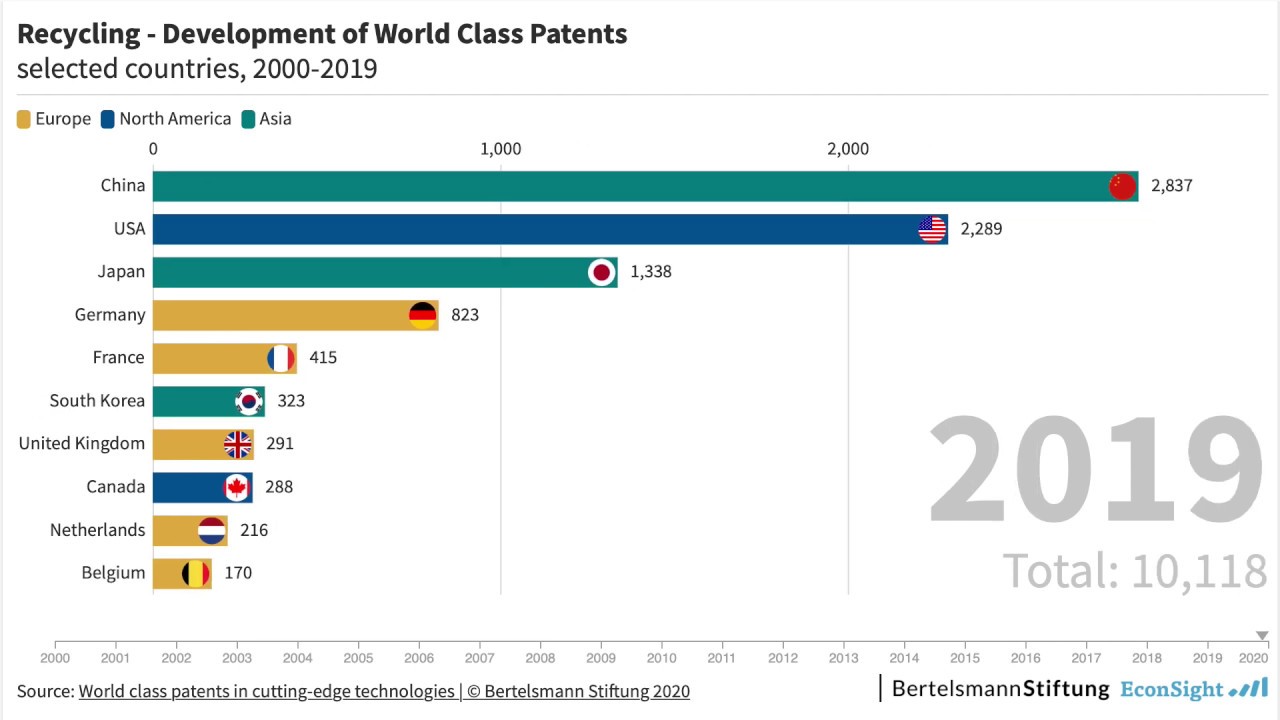
Muslim-majority countries produce far fewer technology patents than Western and East Asian nations. According to UNESCO (2020), countries like Indonesia and Egypt lag far behind developed countries. For example, between 2000 and 2019, China led global patents in recycling technology (2,837), followed by the USA (2,289) and Japan (1,338)—with no Muslim-majority countries making the list.
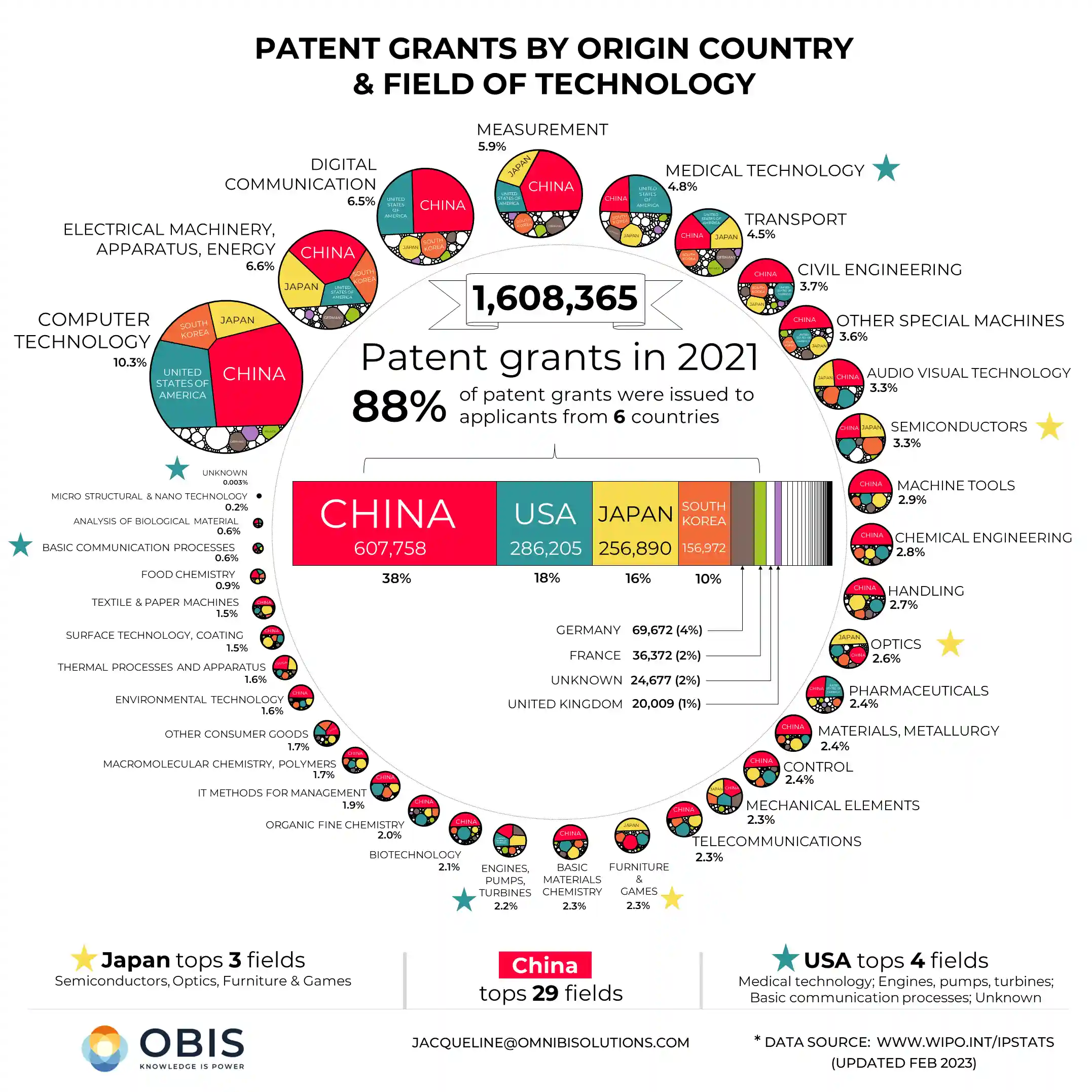
Furthermore, global patent distribution in 2021 highlights this dominance: China (607,758 patents), the USA (286,205), and Japan (256,890) accounted for 88% of all patents, with no Muslim-majority country among the top leaders in technological innovation.
2. Dependence on Imported Technology
As noted by the late Professor Azyumardi Azra, many Muslim countries act as consumers of Western technologies rather than as innovators.
3. Infrastructure Gaps
Many Muslim countries face major challenges in building essential tech infrastructure, such as R&D laboratories and robust internet connectivity.
Exceptions: Progress in Certain Muslim Countries
Despite the dominant narrative of lagging behind, some Muslim countries are making significant technological strides:
- United Arab Emirates: Heavily investing in AI and smart cities, such as Dubai Smart City.
- Malaysia: Developing a strong Islamic fintech ecosystem and expanding 5G technology.
- Turkey: Leading in drone research and the defense industry.
- Iran: Advancing in nuclear programs and satellite technology.
Solutions for a Technological Renaissance
Research suggests several solutions to help Islamic nations overcome the technological gap:
- Educational Reform: Increase investment in science and technology education.
- Moderate Thinking Approach: Revive the dynamic spirit of inquiry from the Islamic golden age.
- Boost R&D Funding: Muslim countries must allocate more resources for research and innovation.
- Global Collaboration: Leverage international trade and partnerships.
- Revive Ijtihad: Encourage critical reasoning to integrate modern technology with Islamic values.
Why This Topic Matters
Falling behind in technology isn't just about patents or infrastructure—it's about the capacity of the Muslim world to contribute meaningfully to global civilization. With over 1.9 billion people, the Islamic world has enormous potential. The legacy of scholars like Al-Khwārizmī and Ibn al-Haytham reminds us that Islam once led the world in technological advancement—and it can do so again.
Conclusion
Modern Islamic civilization is considered technologically lagging due to historical (invasions, colonialism), cultural (conservative attitudes), and economic (lack of R&D) factors. Evidence such as low patent counts and reliance on imported technology confirms this narrative, as seen in the global dominance of non-Muslim countries in innovation. However, progress in nations like the UAE and Malaysia, and unique contributions like Islamic fintech, offer hope. With educational reform, increased R&D, and a moderate mindset, the Islamic world can once again reclaim its technological glory.