
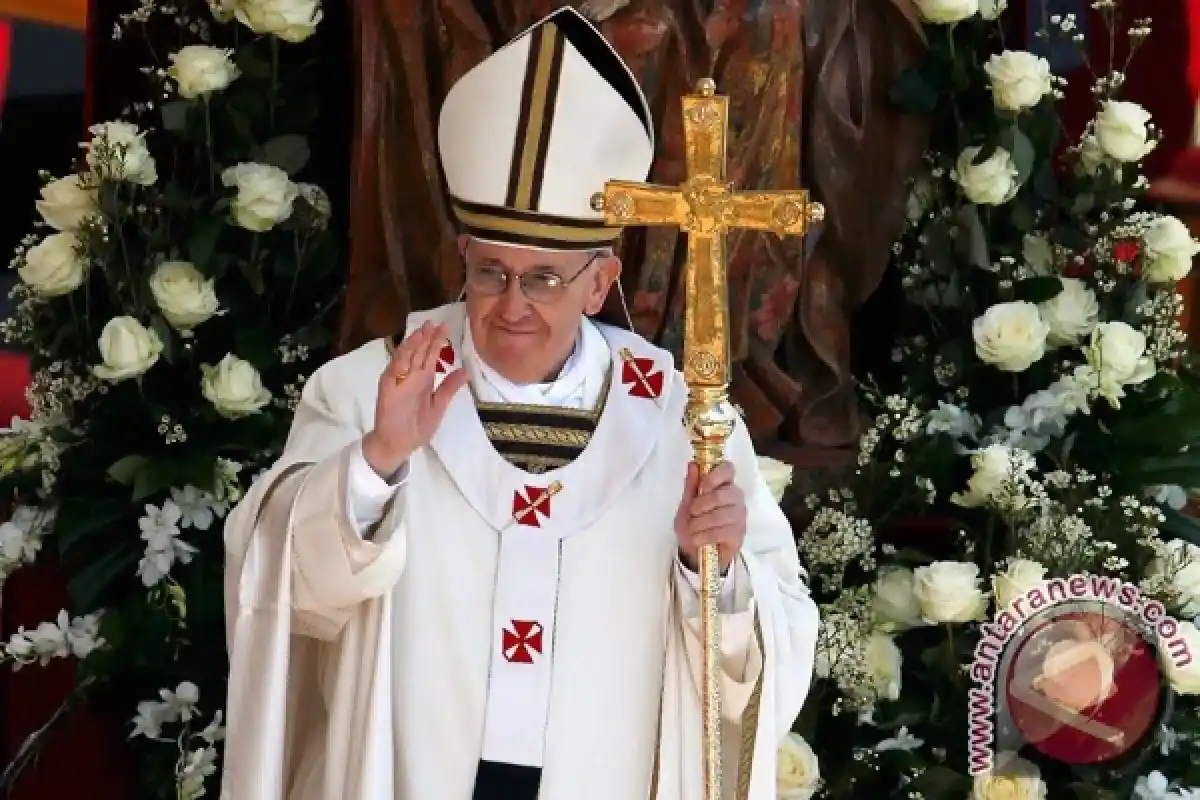
Vatican City, LOGIC.co.id – On Monday, April 21, 2025, the world was shaken by the sorrowful news of the passing of Pope Francis, the leader of the global Catholic Church, at the age of 88. His death marked the end of a 12-year papacy known for its progressive reforms and strong focus on social justice. As the first Latin American pope, his leadership left a significant legacy. Now, global attention turns to the process of selecting his successor. Who will be the next pope, and how does the selection process unfold?
The Papal Election Process: The Conclave
Following the death of a pope, the Catholic Church enters a period known as sede vacante (vacant seat). The process of electing a new pope is conducted through a conclave, a closed-door gathering of cardinals under the age of 80. Traditionally held in the Sistine Chapel, Vatican City, the conclave involves secret ballots, with a candidate requiring a two-thirds majority to be elected pope.
The process begins with a nine-day mourning period called Novendiales. Pope Francis’ funeral is expected to take place between the fourth and sixth day after his death, in accordance with Vatican protocol. The conclave typically begins within two to three weeks thereafter, although delays are possible if consensus is difficult to reach.
Currently, 138 cardinals are eligible to vote, following Pope Francis’ decision to raise the cap from 120 to 138 in December 2024. The fact that the majority of these cardinals were appointed by Pope Francis may influence the outcome toward a candidate aligned with his vision.
Potential Successors to Pope Francis
While technically any baptized Roman Catholic male can be elected pope, modern tradition strongly favors choosing from within the College of Cardinals. The following names have emerged as leading contenders based on recent reports and analyses:
1. Cardinal Luis Antonio Tagle (Philippines, age 67)
Often dubbed the “Asian Pope Francis,” Cardinal Tagle is known for his progressive views and inclusive spirit. As Prefect of the Dicastery for Evangelization, he has taken a compassionate approach on issues like remarriage, LGBT rights, and evangelization. His Asian roots, representing a region with the fastest-growing Catholic population, make him a compelling candidate. He was made cardinal by Pope Benedict XVI in 2012.
2. Cardinal Pietro Parolin (Italy, age 70)
As the Vatican’s Secretary of State, Cardinal Parolin has been instrumental in diplomatic efforts, particularly in relations with China and the Middle East. With his moderate stance and vast experience, he is considered a natural heir to Pope Francis’ legacy. He was made cardinal by Pope Francis in 2014.
3. Cardinal Fridolin Ambongo Besungu (Democratic Republic of Congo, age 65)
President of the Symposium of Episcopal Conferences of Africa and Madagascar, Cardinal Besungu plays a major role in African Catholicism. Known for his conservative positions, particularly his rejection of the Fiducia Supplicans document on same-sex blessings, he could become the first African pope, signaling a significant shift in the Church’s leadership. He was elevated to cardinal by Pope Francis in 2019.
4. Cardinal Mario Grech (Malta, age 68)
As Secretary General of the Synod of Bishops, Cardinal Grech is seen as a moderate who champions inclusivity for marginalized groups, including those divorced and remarried or from the LGBTQ+ community. He balances tradition with open dialogue. He was appointed cardinal by Pope Francis in 2020.
5. Cardinal Willem Jacobus Eijk (Netherlands, age 72)
A former medical doctor, Cardinal Eijk is a conservative who opposes many of Pope Francis’ reforms, including support for civil remarriage. He is known for his strict adherence to doctrine, appealing to cardinals seeking a return to traditional values. He was appointed by Pope Benedict XVI in 2012.
6. Cardinal Raymond Leo Burke (United States, age 76)
A vocal conservative critic of Pope Francis, Cardinal Burke is a strong proponent of traditional doctrine and the Latin Mass. While his chances are slim due to his polarizing views, he remains a notable figure in discussions about the next pope. He was appointed by Pope Benedict XVI in 2010.
Factors Influencing the Election of the Next Pope
The election of a new pope hinges not only on individual qualifications but also on internal dynamics among the cardinals. Key factors that may influence this conclave include:
- Pope Francis’ Legacy: With over 100 voting cardinals appointed by Pope Francis, there’s a strong possibility that his successor will continue his progressive vision, especially concerning inclusivity, environmental advocacy, and social justice.
- Geographical Representation: While most popes have historically been Italian (217 out of 266), the election of a Latin American pope has broadened the horizon, opening doors for candidates from Africa or Asia.
- Ideological Balance: The Church currently navigates a divide between progressive and conservative factions. The cardinals will likely seek a leader capable of uniting the Church amid theological and cultural differences.
Hopes and Expectations from the Catholic Faithful
Pope Francis leaves behind a powerful legacy centered on humility, compassion, and interfaith dialogue. Catholics worldwide, including in Indonesia, hope that the next pope will carry this torch forward while addressing modern-day challenges such as secularism, climate change, and internal polarization.
In Indonesia, Pope Francis’ visit in September 2024 strengthened ties between the Vatican and the world’s most populous Muslim-majority country. His message of peace and tolerance is expected to continue shaping the Church’s direction under new leadership.
Conclusion
As of now, no new pope has been elected to succeed Pope Francis. The upcoming conclave in Vatican City will determine the next leader of the Catholic Church. While names like Cardinal Tagle, Parolin, and Besungu are gaining attention, the final decision lies in the hands of the cardinals within the Sistine Chapel. The world now awaits this historic moment, which will not only shape the Church’s future but also influence the global discourse on faith, peace, and humanity.